Restart an old habit
I want to do this series to revisit a past hobby that once meant a great deal to me. After repeatedly intending to write—only to postpone it due to the demands of daily life - I’ve come to realize that inspiration is not something you can simply wait for; rather, it is something that must be sparked through concrete action. Much like starting a game or preparing for a workout, establishing clear rules and boundaries from the outset will help me sustain writing as a personal hobby, while also cultivating it into a weekly habit.
To ensure I stay on track and don’t give up along the way, I’ve set three rules for myself:
- One post per week: This maintains a steady pace—enough to foster discipline and consistency, yet not so demanding that it becomes a burden.
- A one-hour time limit: This constraint forces me to focus entirely on completing the piece before I get sidetracked by other distractions. It also serves as a safeguard against excessive perfectionism—a tendency that has often left many of my ideas trapped in draft form, never to see the light of day.
- Completely open topics: There are no restrictions or rigid templates. A post could be about a subject that interests me, an intriguing piece of information I stumbled upon, a real-world experience from my work, or simply a fleeting thought that happens to cross my mind at the moment of writing.
Regarding content, I have set a strict boundary for myself: to minimize the use of AI when brainstorming ideas, gathering research, and structuring my writing. While it is impossible to deny the advantages that AI offers in this day and age, I am committed to preserving my own unique choice of words, structure, and personal style. I see this as a way to retain an authentic "human touch" in every piece—compelling myself to think deeply, engage with the subject matter firsthand, and articulate exactly what I truly wish to express.
For this reason, the articles in this series will inevitably contain some clumsy flaws—whether in word choice, pacing, or the development of ideas. Yet, to me, this imperfection is essential; it serves as proof of an independent creative process, one that draws nothing from any machine.
Ultimately, I view this series as an effort to limit the time I spend passively consuming short-form content on social media and the internet. The constant influx of rapid, fragmented, and superficial information gradually erodes one’s capacity for sustained focus. Writing compels me to read more, think more deliberately, and delve deeper into the essence of the issues at hand. It provides a necessary pause—a space for my mind to slow down and rediscover a sense of balance amidst the breakneck pace of today’s digital life.
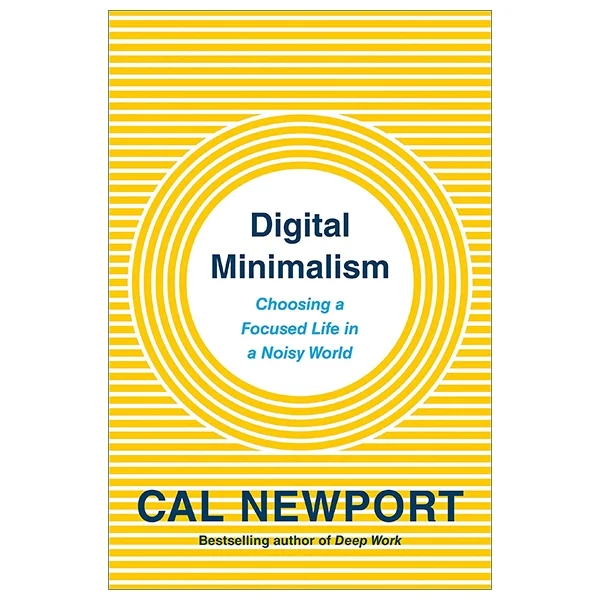
P.S. While editing the content for this article, the AI suggested that I read the book below. Alright, I’ll take that advice.